
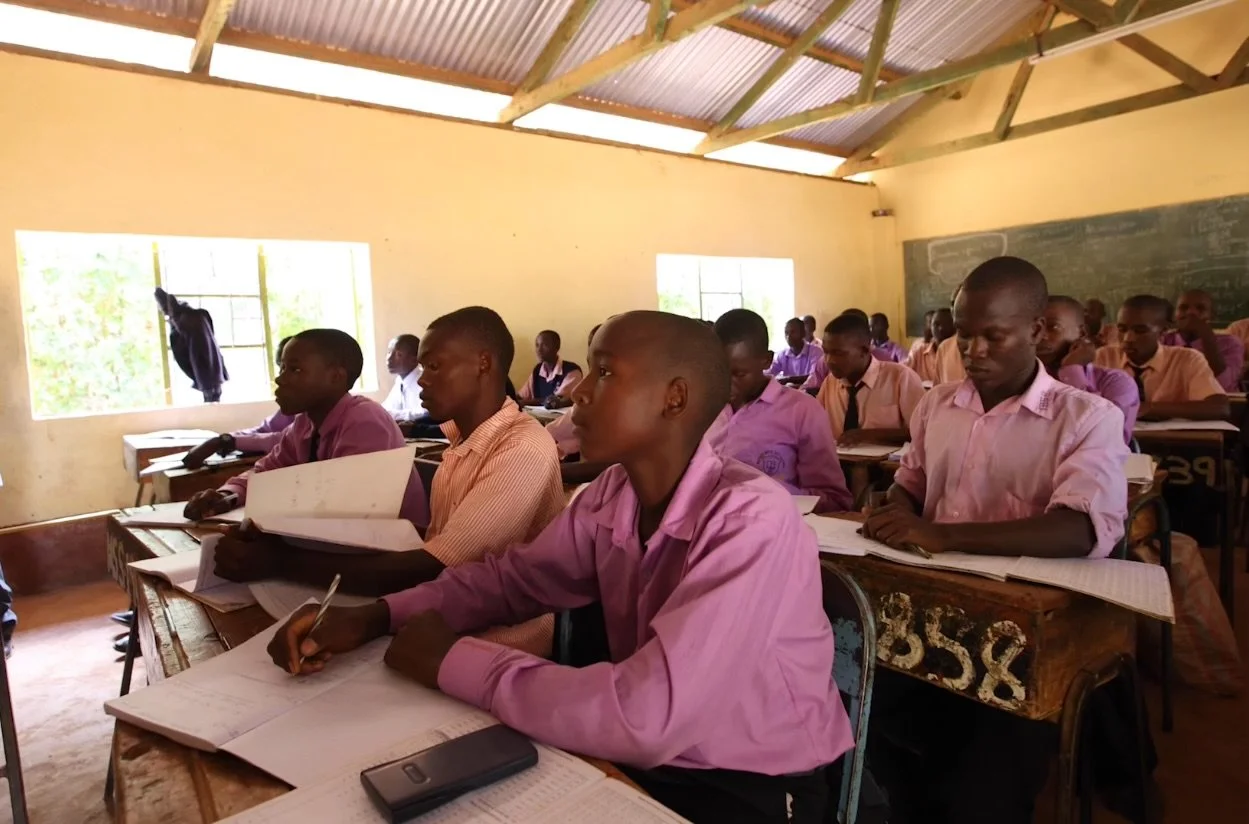
The people who build with us
Seventeen schools exist in Kenya and Tanzania because specific people made a decision to trust us with their money, their name, and in some cases, their time.
They are executives, entrepreneurs, families, and institutions.They came to BAS through different paths: a personal introduction, a documentary, a conversation that turned into a commitment. What they share is a belief that a school built well, in the right community, changes the trajectory of the people inside it.
The BAS organization is simply structured. We do not run campaigns. We do not have a development or PR department. Every partnership on this page began with a relationship and has been sustained by results. These donors have seen the schools. They know the numbers. They came back.
If you are considering a significant gift to BAS, the people on this page are the best argument we can make.
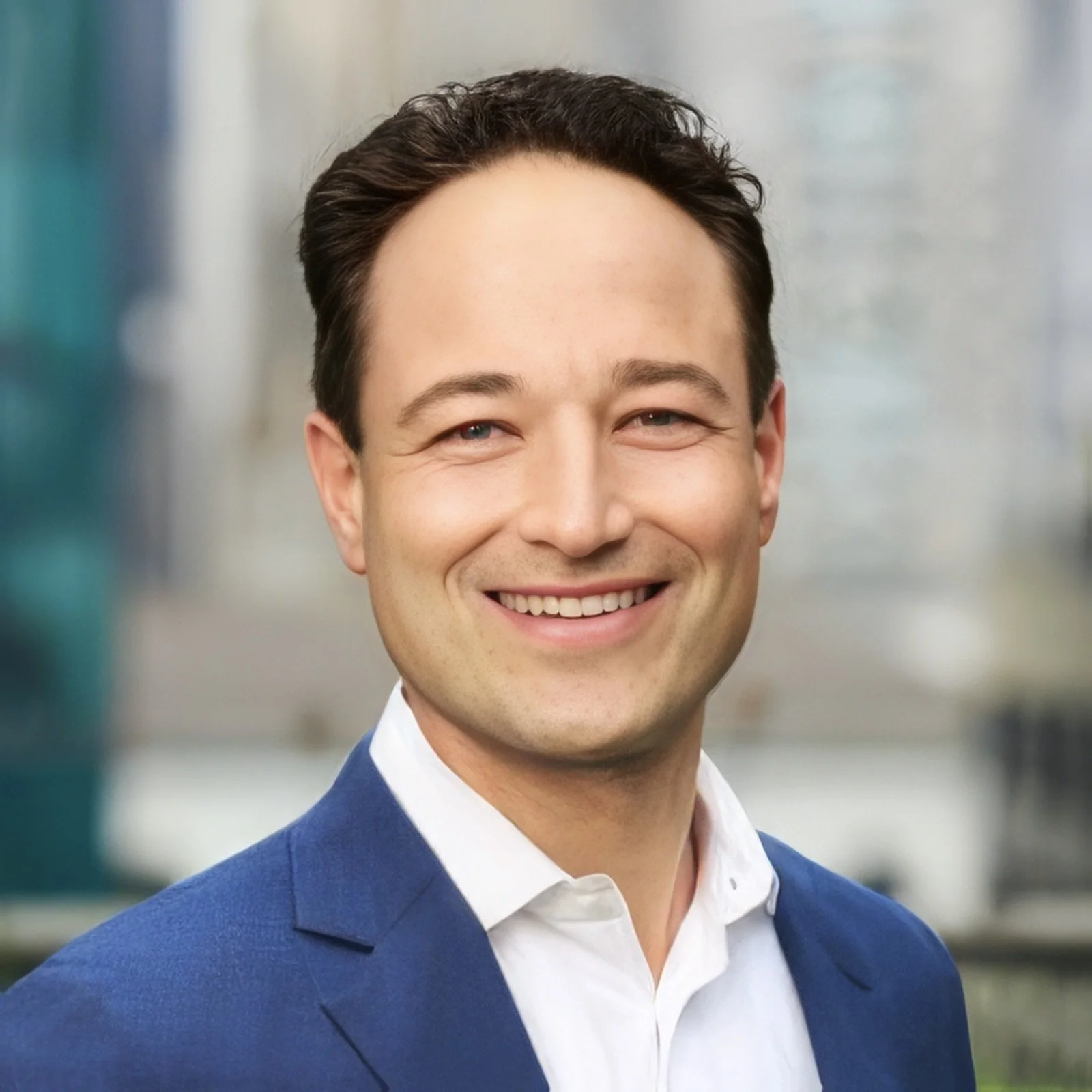
Todd Siegler - Adj. Professor, Columbia Business School
BAS Advisor & School Funder
Todd has been quietly funding schools for BAS in rural Kenya for the past several years. No fanfare or complicated conditions. He finds the work meaningful, he trusts the organization, and he keeps coming back. Kithatha secondary school, which is currently under construction, will be his fifth school with BAS.
His professional life has been spent in the business of people. A decade-plus at Salesforce, rising to Senior Regional Vice President. Prior to that his career brought through Lexmark, Apple and FileWave. Today he teaches Entrepreneurial Selling to MBA students at Columbia Business School. The through-line in all of it is the same, developing people, building relationships, and taking the long view on what actually creates value.
That instinct carries directly into his involvement with BAS. Todd doesn't engage with this work as a transaction. He engages with it the way someone does when they believe, at a fundamental level, that giving people access to education is one of the most important things you can do. That's not something he says. It's something he demonstrates, repeatedly, school by school.
There is a quiet seriousness to his commitment is key to his philanthropy. He understands that education is not a gesture. It is the thing that changes the trajectory of a life and that once a school is built and handed to a community, that change compounds for generations. That understanding is what brings him back.
BAS is fortunate to count him as a partner.
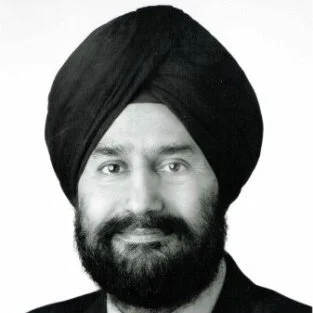
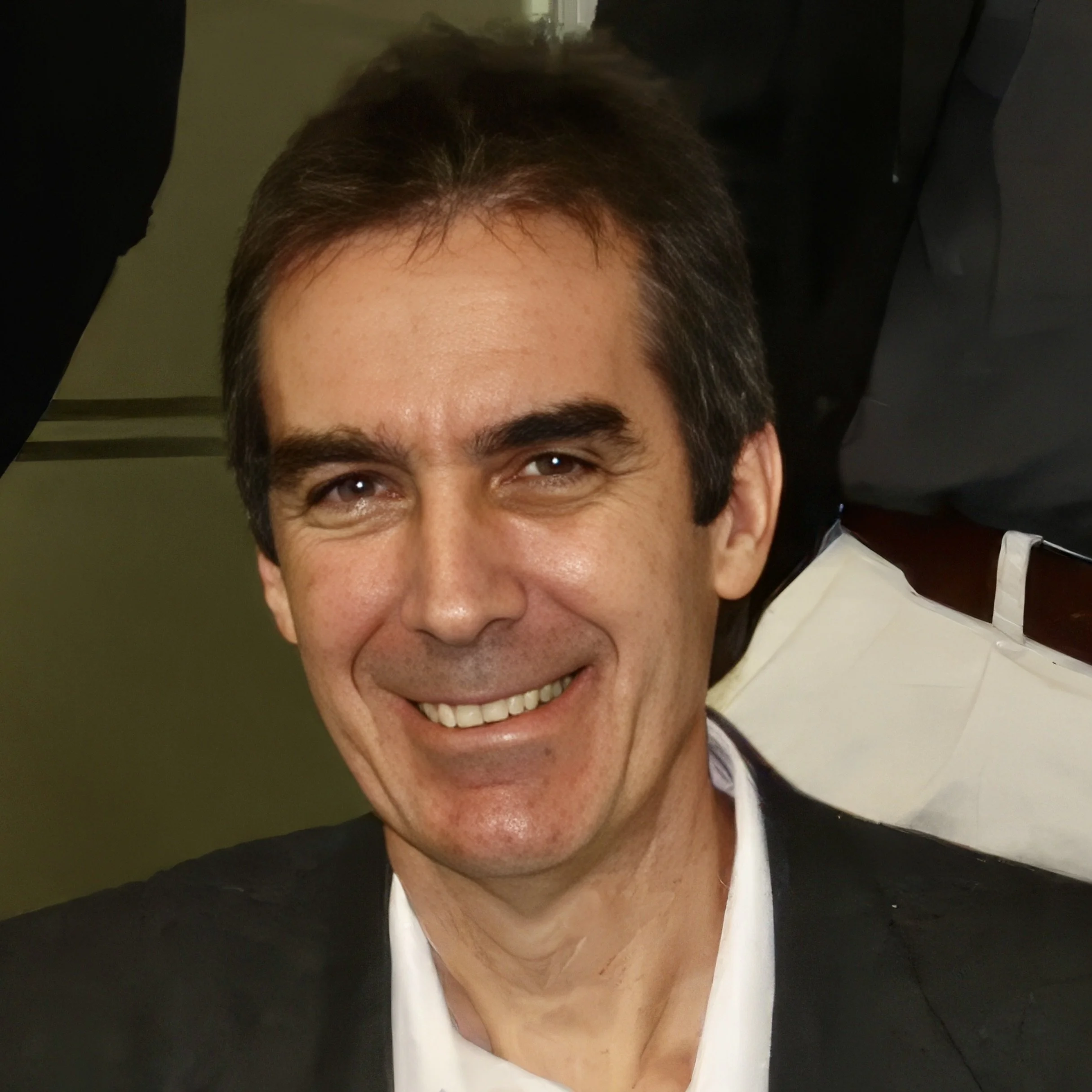
SATJIV CHAHIL - Silicon Valley Executive. Global Marketing Pioneer. BAS Partner.
Satjiv has been a BAS champion for fifteen years. What makes his story different is that he did not just write a check. He opened a door that no one else could open and then stayed around long after he needed to. He spent four decades at the center of the global technology industry. At Apple, he served as Senior Vice President of Worldwide Marketing and as founding General Manager of the New Media, Entertainment and Internet division, a role that put him at the forefront of how personal computing became a cultural necessity. He went on to senior positions at Palm and Sony before joining Hewlett-Packard in 2005 as Senior Vice President of Global Marketing.
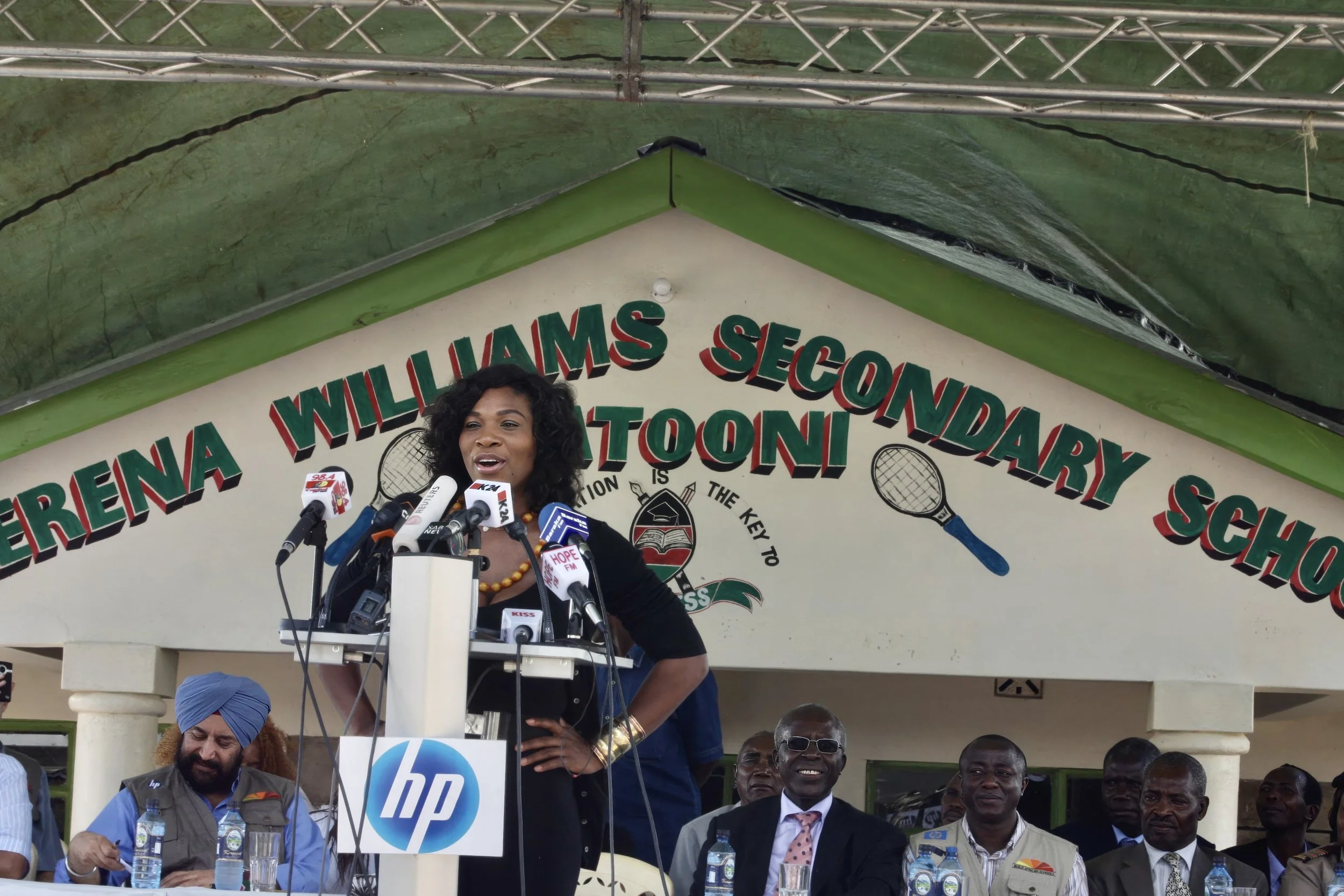
It was Satjiv who introduced Serena Williams to Build African Schools. The relationship he had built with Serena during the HP campaigns was real not transactional, not manufactured for a press release. When he saw what BAS was doing in rural Kenya, he made the connection. In 2007, with Satjiv as the architect, HP and Serena Williams co-funded the Matooni Serena Williams Secondary School in Mwingi, Kitui County. Three years later, the Wee Serena Williams Secondary School opened in Kilili. Serena attended that opening in person. She walked the grounds, met the students, and spoke on camera about what education means to the communities that receive it. Both schools are open today. Both are integrated into Kenya's national education system.
For years after the HP chapter closed, he continued to advocate for BAS, making introductions, lending credibility, and remaining connected to an organization that does not advertise itself and does not need to. In 2024, he made a personal gift to fund a working vehicle for the BAS field team in Kenya. It is not a headline gift. It is the kind of gift that keeps the work moving that puts Dickson and Philip on the road, gets materials to the site, and makes the difference between a school that gets built and one that waits.
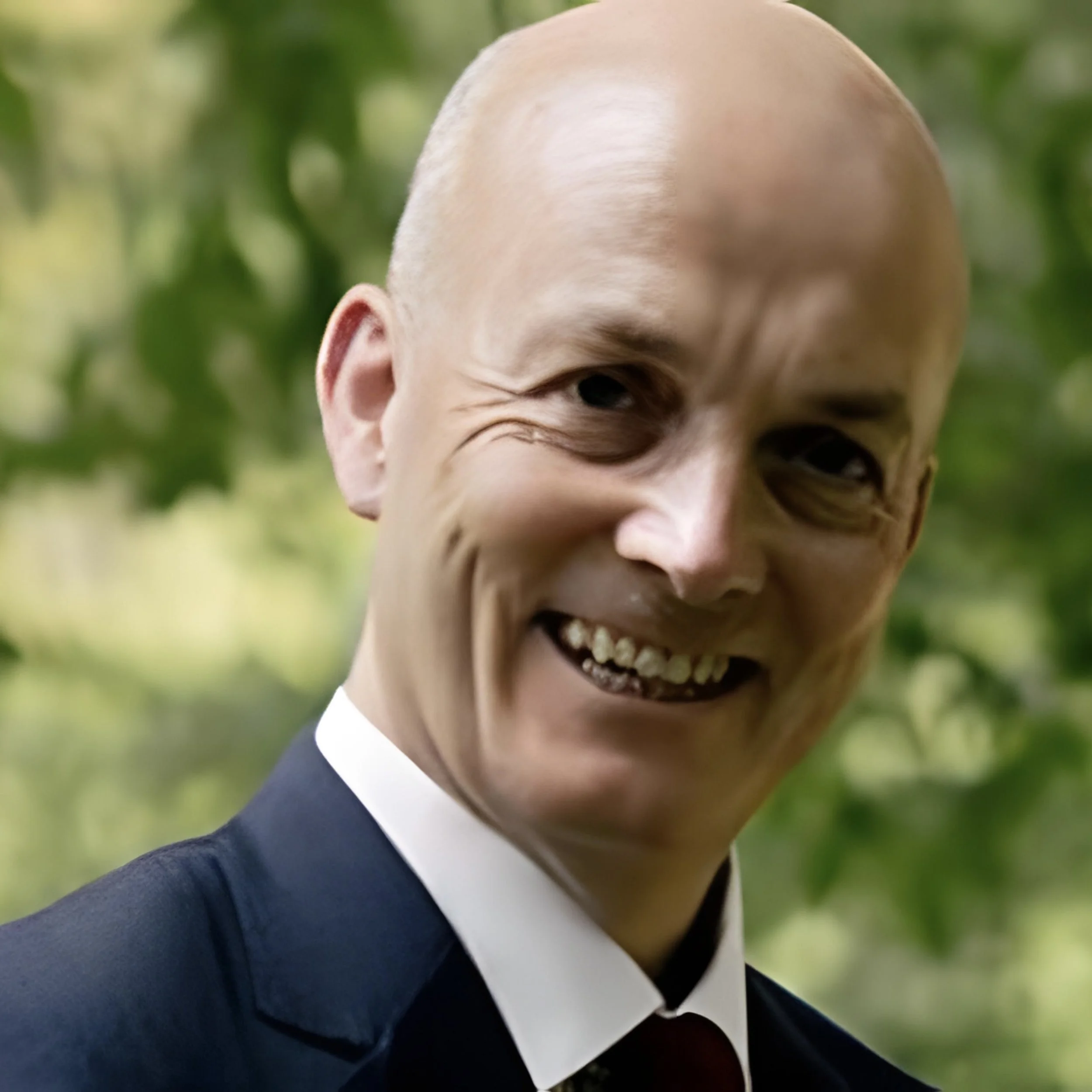
ALAN SCROOPE - CEO, FreeFlow, Ireland
BAS Advisor & School Funder
Alan didn't come to Build African Schools as a philanthropist looking for a project. He came as someone who understood what it means to build something from nothing and recognized in BAS an organization that actually does what it says it does.
He is the founder and CEO of FreeFlow, one of Ireland's most recognized technology companies, built over two decades from a bedroom in Tralee, Ireland into a global business with partnerships across the consumer electronics industry. He knows the difference between good execution and good intentions.
When Alan funded the construction of a BAS school in Kenya, he saw both.
In his own words: "From the earliest stages of planning through to completion, I was struck by the professionalism, transparency, and dedication of the BAS team." What impressed him wasn't just the finished building , it was how the work was done. Local knowledge guiding every decision. Skilled tradespeople engaged properly. Unskilled labor sourced from the village itself, putting money into the community during construction, not just after. "The result is schools that are not only built to last, but that also transform communities by giving children access to education and opportunity."
He calls supporting BAS one of the most rewarding philanthropic investments he has made.
Alan now serves as an advisor to Build African Schools. His endorsement matters not because of his title, but because of what he witnessed. He traveled. He saw the work. He came back convinced.
"Their mission is clear, their execution is proven, and their results are measurable in the lives of thousands of children who now have a chance at a brighter future."
Russell Fish - Partner, Venray Technologies
BAS Advisor & School Funder
Russell Fish doesn't do things halfway, and he didn't come to Build African Schools halfway either.
His professional career spans three decades and dates from the birth of the microprocessor. His achievements include co-designing the Sh-Boom Processor with Charles Moore, recognized by IEEE as one of the 25 microchips that shook the world, and his designs have been licensed into most computers, cell phones, and video games manufactured today. He is currently a partner at Venray Technology in Dallas, where he continues to work on next-generation processor architecture. It is a serious career in a demanding field. But it is not the most interesting thing about him.
Long before the microprocessor work, Russell held the 24-hour Skydiving World Record alongside U.S. Army’s Cheryl Stearns, 255 day and night jumps in a single day. He counts that, and building the schools, as his proudest achievements. The combination tells you something about him.
He found BAS through our founder Patrick O’Sullivan in 2007. He has funded two schools demonstrating his interest in education access for children who've been left behind. By the time he found BAS, building schools in rural Kenya wasn't a departure from what he cared about. It was more of the same, kids who deserved a classroom, and an organization that actually built one.
He remains a friend, a sounding board, and an active voice in BAS's thinking about how to move education forward for children in Africa. Someone who knows him well put it simply: "He doesn't think outside the box. He lives outside the box."
That has always been good for BAS.