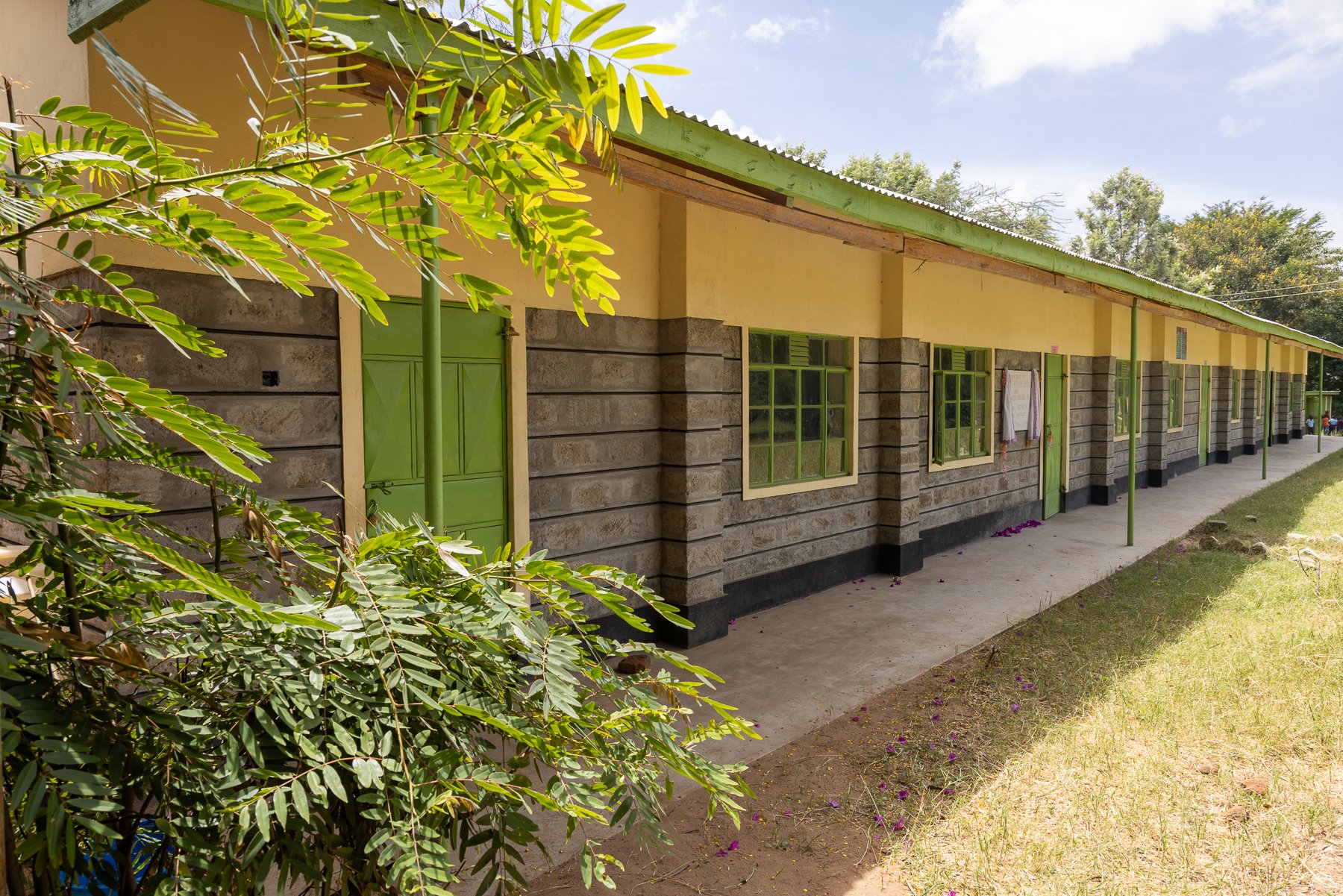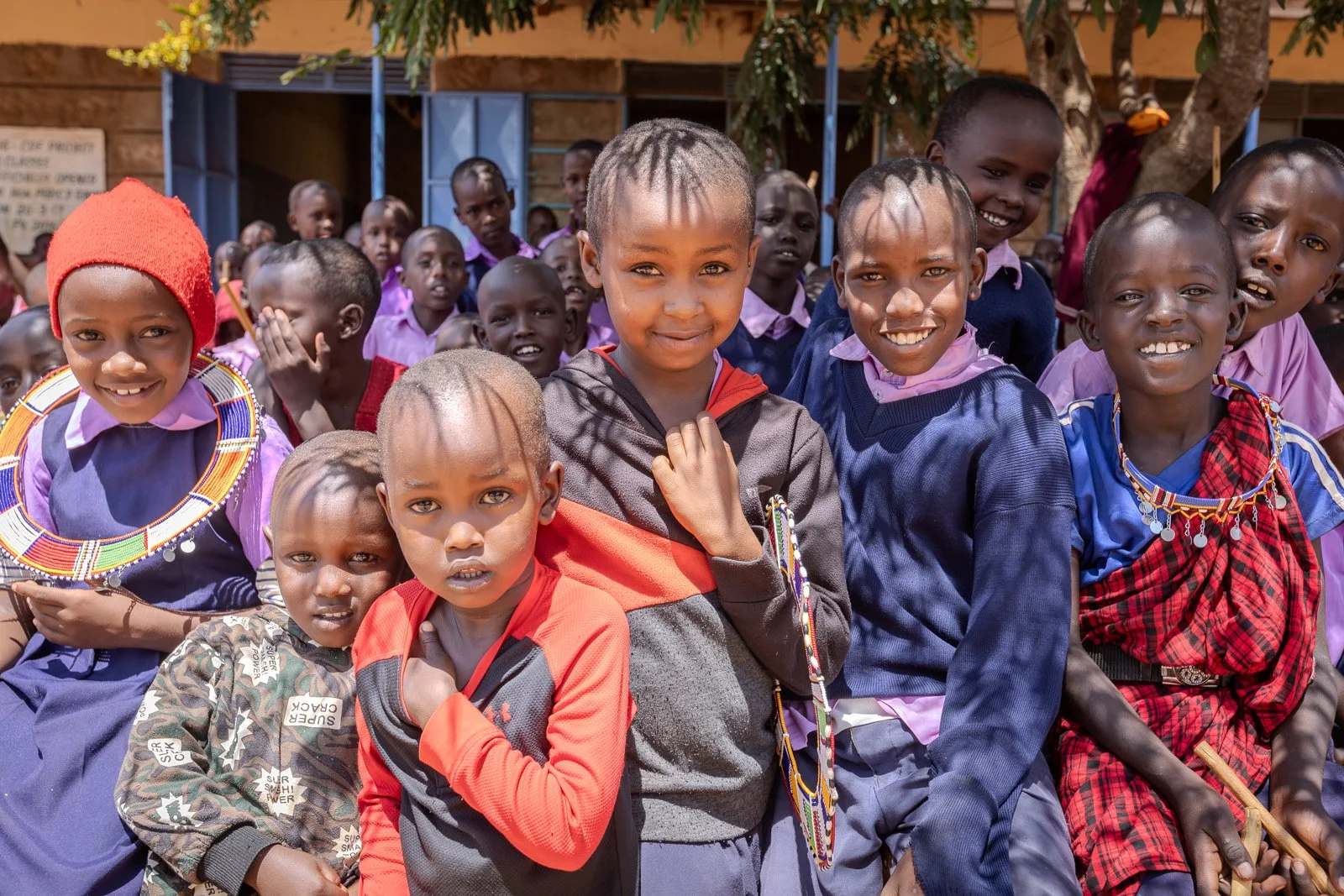
Africa doesn't need saving. It needs classrooms.
An educated generation doesn't wait for outside help. It produces its own doctors, engineers, accountants, and leaders. It builds its own institutions. It defines its own future. BAS exists to make that possible - one permanent school at a time.
| Figure | The Situation | Context | Source |
|---|---|---|---|
| 251M |
Children and youth out of school worldwide
|
More than half of them, over 125 million, live in sub-Saharan Africa. The number is growing, not shrinking. | UNESCO GEM Report, 2024 |
| 1 in 5 |
Primary-age children not in school in sub-Saharan Africa
|
For teenagers aged 15 to 17, that figure rises to nearly 60%. Most secondary-age young people in the region have no school to attend. | UNESCO Institute of Statistics |
| 65% |
Primary school completion rate in sub-Saharan Africa
|
The world average is 87%. One in three children who start primary school in the region do not finish it. | IMF Regional Economic Outlook, 2024 |
| 9% |
Tertiary enrollment rate in sub-Saharan Africa
|
The global average is 38%. Without secondary schools to complete, students never reach university. The pipeline empties early. | World Bank |
| 15% |
Students achieving minimum learning outcomes
|
Even among children who are in school, only 15 in 100 meet the baseline. Enrollment without adequate facilities is not enough. | IMF, 2024 |
| Nearly equal |
African government debt payments vs. education spending
|
African governments now spend roughly as much servicing debt as they spend on educating their children. The gap will not close from the inside alone. | UNESCO / World Bank Education Finance Watch, 2024 |
The education gap in Africa
Africa is the youngest continent on earth. Half its 1.4 billion people are under 20. By 2050, that population reaches 2 billion, with the fastest-growing working-age population of any region in the world. Whether that becomes an opportunity or a crisis depends almost entirely on one thing: education.
What the numbers don't say.
The obstacle is not motivation. There are teachers. There are families who understand that education changes a life. There are children who walk an hour each way to sit in a classroom. The obstacle, in community after community, is physical: there is no room to learn in.
Governments in sub-Saharan Africa spend more on debt than on schools. International aid to education is falling. The school-age population is growing faster than anywhere else on earth. The gap between supply and demand widens every year.
Build African Schools does one thing: it closes that gap, one school at a time. No administrative overhead. No parallel systems. A permanent building, constructed to national standards, handed to the community, registered with Kenya's Ministry of Education, and serving children for decades.
A school that costs approximately $85,000 to build. A school that lasts a generation.
Source References
IMF Regional Economic Outlook, Sub-Saharan Africa, April 2024
UNESCO / ISS Africa, Quality Education Delivers Growth, June 2024
World Bank / Matsh Education Analysis, Sub-Saharan Africa, 2023
Twenty Years of Building
Since 2006, Build African Schools has constructed 18 permanent schools across Kenya and one in Tanzania.
Thousands of students attend schools that BAS built. Alumni of our schools are now working in professionals careers. We hope that you will join us in building more of these schools to help African children realize their dreams by having basic access to the educational opportunities that almost all other children in the developed world take for granted.